Are Online Doctor Consultations Actually Good in the UK?
In recent years, and particularly accelerated by the pandemic, online doctor consultations UK have become a staple of healthcare delivery. Video calls replacing waiting room visits, and booking screens that promise near-instant appointments, paint a picture of convenient, modern medicine.
But as someone who has spent more than a few hours on video appointments — both as a patient and a writer — I’m here to ask the unvarnished question: are these remote consultations truly good, or just fast?
The Remote Healthcare Landscape in the UK
Before diving into clinical effectiveness, let’s frame the ground realities:
- Video consultations NHS vs private: Both sectors now routinely offer them, but the experience differs in booking, communication, and follow-up care.
- Online booking screens: Patients can often book slots within minutes, but that speed is not the same as triage or actual healthcare assessment.
- Patient portals: These software platforms aim to centralise messaging, test results, prescriptions, and next step guidance — yet user experience varies widely.
Remote Appointment Pros and Cons: A Critical Look
The Pros
- Removing travel removes barriers: For many, online consultations eliminate time off work, transportation issues, childcare challenges, and physical mobility obstacles.
- Faster access in some cases: Certain symptoms or follow-ups can be assessed quicker remotely without the need for a physical examination.
- Convenient ongoing monitoring: Chronic condition patients can often get advice or medication renewals without leaving home.
The Cons
- Assessment limitations: A video consultation cannot replace a thorough physical exam or diagnostic tests. Subtle signs can be missed if the technology or connection is poor.
- Booking speed ≠ care quality: Some online systems prioritise filling slots over proper clinical triage, risking inappropriate appointments or missed urgency.
- Technical and accessibility barriers: Older patients or those less confident with tech can struggle with video call platforms or confusing booking screens, leading to frustration or even missed care.
- Anonymity in human contact: Not knowing how to speak to a person when a remote consultation’s outcome is unclear can delay further intervention.
Video Consultations: NHS vs Private Experience
Private providers often position themselves as more streamlined, offering slick online booking screens with clear instructions, reminders, and an interface that spells out next steps. In many cases, their video platforms work smoothly, integrating with apps and smartphones.
In contrast, the NHS — dealing with scale and legacy systems — sometimes offers patchier experiences. Booking portals may be less intuitive, and video connections occasionally struggle. However, NHS consultations typically emphasise clinical appropriateness and integration with the patient’s existing health record.
Feature NHS Video Consultation Private Video Consultation Booking System Often via practice website or NHS portal; sometimes cluttered; variable user guidance Dedicated app or site; streamlined booking flows; more transparent timeslots Clinical Assessment Integrated with full patient records; clinician-led triage prioritising need May rely on patient self-reporting; less access to records; quicker but less contextual Follow-Up & Support Clear care pathways; ability to escalate to in-person if needed; NHS helplines Varies; some offer instant chat support; others push more consultations for fee Technology Mixed platforms; some have connection issues; prioritises data security Frequently newer platforms; slick video and messaging; sometimes proprietary appsWhy Booking Speed Is Not the Same as Quality of Care
A common misconception is techonthego.co.uk that a faster appointment means better care. But healthcare is complex, and speed can be deceiving.
Consider this: a patient with chest pain might get a slot within hours on a private video service, but without proper triage, that consultation might miss urgency, whereas the NHS might schedule a physical assessment as a priority.
Moreover, the language used in booking screens matters. Terms like “next available doctor” or “instant appointment” sound reassuring but can create anxiety or encourage patients to under-report symptoms to get quicker slots.
Good patient portals guide users through symptom checkers, risk assessments, and offer clear information on what the appointment will entail — including whether a follow-up face-to-face visit is likely. This helps manage expectations and improve outcomes.
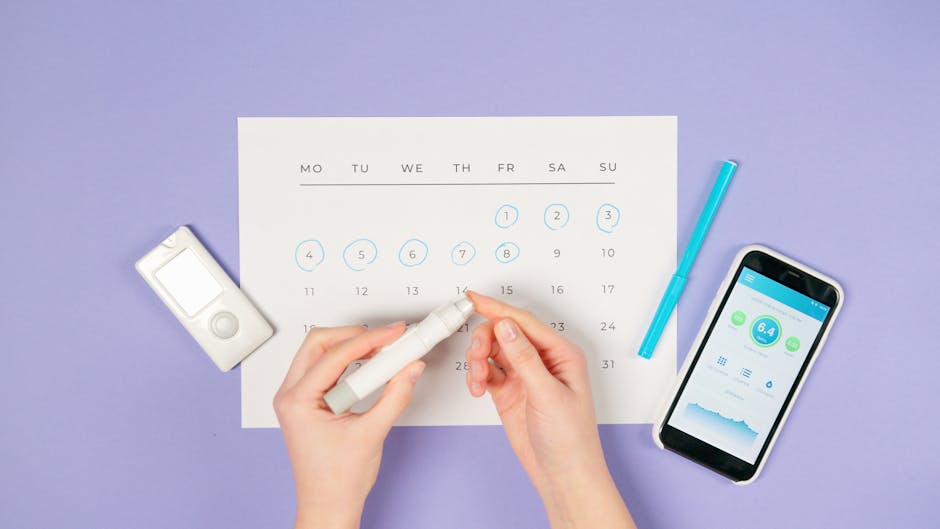
Patient Portals: Guiding Through the Healthcare Maze
Patient portals are meant to simplify the complicated journey of modern healthcare:
- See test results in one place
- Get reminders for medication and appointments
- Access tailored guidance on next steps
- Contact clinicians and support staff when needed
For online consultations to truly be “good,” these portals must do more than just display an appointment time. They need to actively guide patients — for example, by:
- Clearly explaining whether self-care or urgent in-person review is best
- Helping resolve technical difficulties or confusion about how to join video calls
- Providing easy options to speak to a real person if something feels wrong
What Happens When Something Goes Wrong?
This is crucial. Healthcare inevitably involves uncertainty, and not every issue can be solved in one remote consultation. What matters is how the system supports escalation.
A good online system will:
- Promptly identify red flags during booking or consultation
- Offer clear instructions for urgent help (e.g., calling 111 or 999)
- Allow patients to easily rebook or get follow-up appointments — ideally with the same clinician for continuity
- Provide accessible contact points to speak with human support
When these provisions are missing, the quality of care can suffer, regardless of how slick the interface looks.
Accessibility: Bridging The Tech Confidence Gap
Not all patients are comfortable with technology — and support for those who aren’t is often overlooked.
Simple issues like small font sizes, jargon-filled instructions, or multi-step authentication can create barriers. Some people may have poor internet connections or no suitable device for video calls. Others may find online booking confusing, leading them to delay care or default to emergency services.
To be truly good, online consultations must come alongside:
- Alternative booking options such as phone calls or walk-in clinics
- User-friendly design tested with diverse patient groups, including older adults
- Clear, jargon-free instructions tailored to various literacy levels
- Support staff trained to assist with technical difficulties patiently
Conclusion: The Bottom Line on Online Doctor Consultations in the UK
Online doctor consultations in the UK offer valuable convenience and in many cases can improve access to healthcare. Video calls reduce the burden of travel, and online booking screens can simplify scheduling.
However, they are not an outright replacement for appropriate clinical assessment, and speed should never be mistaken for quality.
For these services to be genuinely good, they must:
- Integrate thorough triage and clear guidance on next steps
- Provide easy access to human help and escalation routes
- Ensure accessibility for less tech-confident patients
- Maintain continuity and clinical context, especially in the NHS settings
As online consultations mature, patient experience — not just rapid booking or shiny video platforms — must remain the central focus. After all, healthcare is not just about getting an appointment. It’s about the quality of care delivered during and after that appointment.
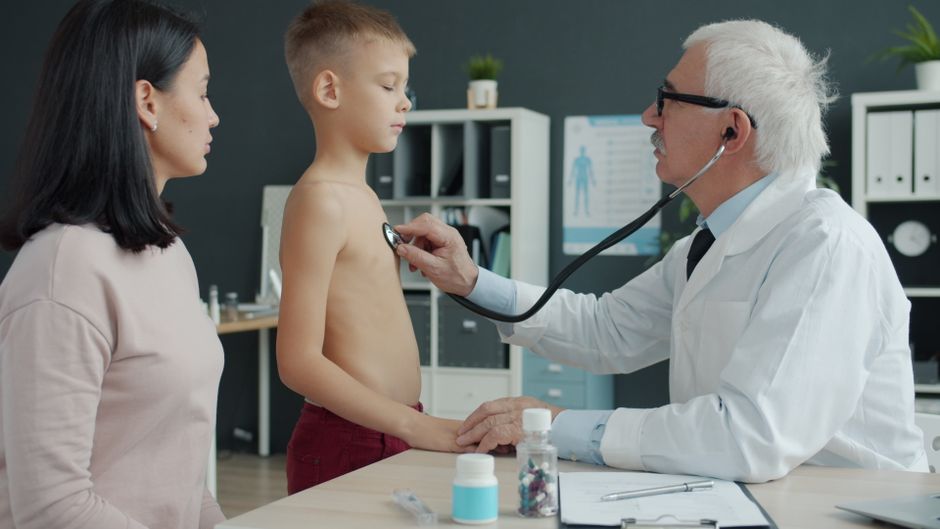
So next time you see an ad for a "1-minute online doctor consultation," ask yourself: what happens when something goes wrong?