Does Exercise Help Insomnia or Can It Make It Worse?
Sleep is the cornerstone of good health, yet millions—especially women—struggle with insomnia night after night. If you toss and turn wondering whether exercise will fix your sleeplessness or actually aggravate it, you’re not alone. The relationship between exercise and sleep isn’t always straightforward. In this deep dive, we'll explore how physical activity affects sleep quality, why women face unique sleep challenges across their life stages, and how exercise can both relieve stress and, in some cases, unintentionally fuel bedtime anxiety.
Why Sleep Is Your Health Foundation
Before we talk exercise, it helps to understand why sleep matters so much. It’s not just a nightly break; quality sleep supports memory, mood, immune function, metabolism, and hormonal balance—key factors for long-term wellness.
Health Aspect Role of Sleep Mental Health Supports emotional regulation and reduces anxiety Physical Health Promotes tissue repair, immune response, and energy restoration Hormonal Balance Regulates cortisol, insulin, sex hormones, and growth hormoneBottom line: When sleep suffers, so does every aspect of your health. For women, sleep quality can be especially fragile due to fluctuating hormones, mental load pressures, and various life transitions.
Women-Specific Sleep Disruptors Across Life Stages
Women often face sleep challenges that men don't, largely because of hormonal swings and social stressors uniquely tied to female physiology and roles. Here’s a quick breakdown of some common disruptors:

- Menstrual Cycle: Hormone fluctuations before and during menstruation can cause insomnia or restless sleep.
- Pregnancy: Physical discomfort and hormonal shifts make sleep elusive, especially in later trimesters.
- Postpartum: Newborn care interrupts sleep schedules and stresses mental health.
- Perimenopause and Menopause: Hot flashes, night sweats, and declining estrogen disrupt quality sleep.
- Caregiving and Mental Load: Juggling work, home, and emotional labor increases bedtime anxiety and ruminating thoughts.
Given these added sleep stressors, finding effective ways to improve sleep quality is crucial for women. Exercise has a promising role, but it comes with nuances.
How Hormones and Exercise Affect Sleep Quality
Hormones heavily influence how sleep feels and functions. Estrogen and progesterone, for example, promote deeper, more restorative sleep. But they ebb and flow, especially during perimenopause and menopause, leading to disrupted rest.
Exercise impacts hormones too—it can help regulate cortisol, the stress hormone that when elevated late in the day, can keep you wired. Regular physical activity also boosts endorphins and serotonin, neurotransmitters that aid relaxation and boost mood.
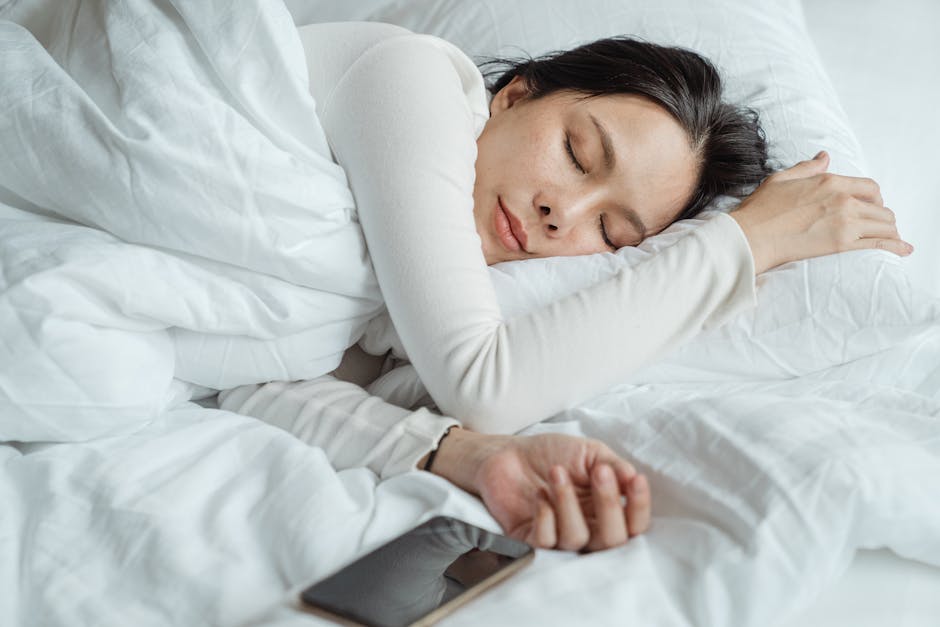
Yet timing and type of exercise matter. Vigorous workouts right before bed may spike adrenaline, temporarily increasing alertness and making it harder to fall asleep. Conversely, moderate aerobic exercise earlier in the day tends to improve overall sleep quality.
Exercise as a Tool for Stress Relief and Sleep Improvement
The evidence supports exercise as a viable component of insomnia management, largely due to its stress-relieving benefits. Let’s break down why:
- Reduces Mental Load: Physical activity can help clear the mind and reduce the mental clutter that keeps you awake.
- Calms Anxiety: Regular movement lowers baseline anxiety levels, making it easier to fall asleep.
- Regulates Circadian Rhythm: Morning or daytime exercise can help reset your internal body clock, encouraging sleepiness at the right hour.
Remember my favorite low-barrier tip? Try a 10-minute wind-down routine of stretching or gentle yoga after your workout. This signals your body to start relaxing, which can be a real game-changer on stressful days.
When Exercise Can Make Insomnia Worse
Exercise isn’t universally beneficial at all times. For some, intense workouts close to bedtime can energize rather than relax:
- Elevated Heart Rate and Adrenaline: High-intensity training releases adrenaline, making sleep initiation difficult.
- Increased Body Temperature: Your internal "sleep thermostat" prefers cooler temps; vigorous exercise temporarily raises body heat.
- Overtraining: Too much exercise can lead to stress and fatigue, paradoxically worsening sleep quality.
Experiment with when and how you move. If evening workouts disrupt sleep, shift to morning or afternoon sessions and observe if rest improves.
Women In Balance Sleep Calculator: A Personalized Reflection
Not sure how much sleep you really need or how your unique variables affect rest? The Women In Balance sleep calculator is a fantastic tool tailored for women. It considers your age, lifestyle, and hormonal status to recommend optimal sleep times.
Using this calculator can shed light on the cumulative effects of stress, hormone shifts, and lifestyle on your sleep. Integrate its insights with exercise and relaxation strategies for a holistic approach.
Practical Tips: Incorporating Exercise to Improve Sleep
Tip Reason How to Implement Choose moderate aerobic exercise Best for stress relief and sleep quality Walk, swim, or bike 30 minutes most days Avoid vigorous workouts 2-3 hours before bed Prevents adrenaline-induced alertness Schedule intense sessions in morning or early afternoon Wind down with gentle stretching or yoga Signals nervous system to relax Spend 10 minutes pre-bedtime doing calming moves Use a paper notebook by your bed Offload worries and brain lists to reduce anxiety Write down your thoughts before lying down Track sleep and exercise patterns Identify what timing and activities help or hinder sleep Combine sleep calculator data with personal journalingFinal Thoughts
Exercise generally holds a positive key to unlocking better sleep, especially by easing stress and regulating the body’s rhythms. However, its benefits depend a lot on your unique hormonal landscape, timing, and exercise intensity.
For women wrestling with insomnia, pairing personalized tools like the Women In Balance sleep calculator with mindful movement and strategic relaxation can transform restless nights into caffeine vs decaf sleep impact restorative ones.
I'll be honest with you: start small—perhaps a daily 10-minute wind-down after your chosen activity—and journal your experience. Little changes in your routine can ripple out into major improvements in sleep quality.
Remember, there’s no miracle cure, best bedtime routine for anxiety but informed, consistent habits build the foundation for long-lasting, peaceful sleep.