How Do I Fit a Treatment Device into Daily Life Without Messing It Up?
For many patients, using a portable treatment device at home is a game-changer: it means fewer trips to clinics, more independence, and potentially better health outcomes. Yet, fitting a portable device into daily use can feel overwhelming at first. How do You can find out more you avoid mistakes using the device? How do you make sure you’re doing the right things without constant visits to your healthcare provider?
Thanks to advances like video consultations and online booking screens, many consultations and assessments can now happen remotely. But it’s important to understand what remote care truly offers — and what it doesn’t. This post will guide you through creating a practical device routine for patients, using the available technology wisely, and knowing where to turn if something doesn’t feel right.
Remote Consultations: A Step Forward, Not a Complete Solution
Video consultations have transformed healthcare accessibility. They remove the hassle of travel, reduce waiting times, and allow clinicians to see how you’re managing your treatment device within the comfort of your home.
However, while remote assessments are undoubtedly useful, they do not replace the initial hands-on evaluation and in-person check-ups completely. Here are some things to keep in mind:
- Remote assessment limitations: The therapist can observe but not physically adjust your device or examine it in detail.
- Subtle signs might be missed: Things like minor skin irritation or how well the device fits can be harder to detect on camera.
- Patient self-reporting is crucial: You'll need to communicate openly about any discomfort or questions.
Think of video consultations as a convenient touchpoint for guidance and troubleshooting, rather than a full replacement for all hands-on care.
Booking Screens: Speed vs Quality of Care
Most platforms now offer slick online booking systems promising "quick appointments" and "instant availability." But watch out for assuming that speed equals quality. Here’s what to watch for:
- Does the booking system clearly describe the appointment type? For example, is it a routine check, device fitting, or troubleshooting session?
- Is there an option to specify your specific concern? A blank “reason for appointment” field is a missed opportunity for tailored care.
- Can you easily reschedule or cancel if your circumstances change? Rigid systems cause frustration.
Always remember: a quicker booking slot isn’t necessarily better if you feel rushed during your consultation or critical details are missed.
Patient Portals: Your Hub for Next Steps and Human Help
The ideal patient portal does more than just let you check your appointment dates. It should actively guide you through your treatment journey and be your first port of call when questions arise.
What to Expect from a Helpful Patient Portal
- Clear instructions: Step-by-step guidance on device use, cleaning, and maintenance tailored to your specific device model.
- Video tutorials: Short, easy-to-follow clips demonstrating device setup and common troubleshooting tips.
- Next steps reminders: Prompts about upcoming assessments, when to replace device components, or how to record symptoms.
- Easy contact options: When you need more than automated help, you want a clearly visible way to reach a human — whether by phone, chat, or email.
Watch out for portals that just dump a mass of information or hide how to contact support behind multiple clicks. This only leads to more confusion and mistakes.
Accessibility for Less Tech-Confident Patients
Not everyone finds digital tools straightforward. Some patients worry about fiddling with apps, screens, or video calls. If that sounds like you, here are practical ideas to bridge the digital gap:
- Ask for phone-based support: Some services still offer telephone consultations or can talk you through device use over the phone.
- Set up your device with a helper: Family members, carers, or friends can assist with initial tech setup and appointments.
- Request printed instructions: Having a physical copy can guide you through the routine without relying on screens.
- Highlight this as a need early: When booking, indicate if you prefer simpler communication or extra help.
Healthcare providers should never assume digital literacy. If your service is pushing you towards video or online-only contact with no alternatives, ask what can be done to make it easier.
Building a Reliable Device Routine: Tips to Avoid Mistakes Using Your Device
Getting your portable device working reliably in your daily life isn’t just about the device itself — it’s about embedding its use into your routine in a way that feels natural but also clinical-safe. Here are some best practices:
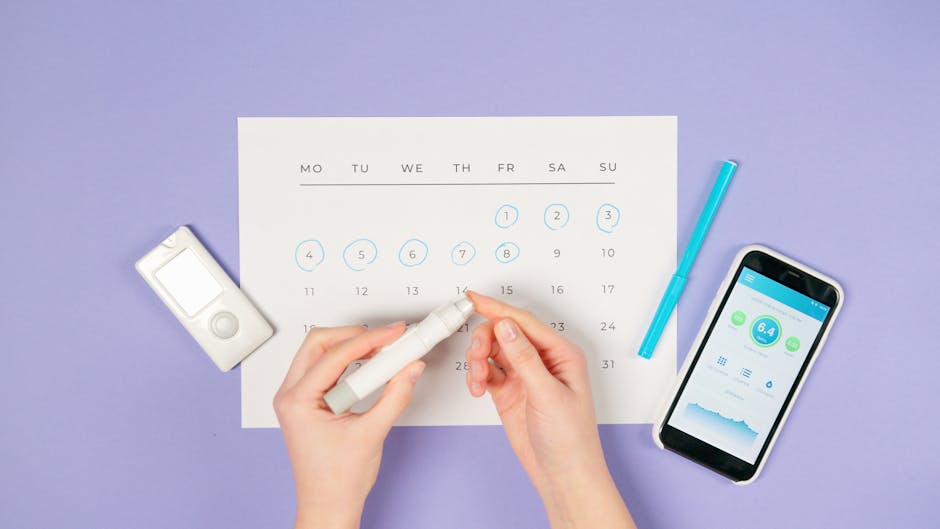
1. Set Fixed Times for Device Use
Consistency helps build habit and ensures maximum therapeutic benefit. Whether your device needs hourly, daily, or weekly use, block time in your calendar or link it to existing habits (like brushing teeth).
2. Create a Dedicated Device Space
Keep your device and its accessories in the same spot each day. This reduces the chance of loss and makes it quicker to find. A tidy container or labelled drawer works well.

3. Follow Cleaning and Maintenance Protocols Carefully
Neglecting this can lead to device malfunction or infection risk. Use the patient portal videos or guides to check you’re cleaning correctly, and never skip scheduled maintenance.
4. Record Usage and Symptoms
Maintain a simple journal or use an app recommended by your healthcare provider. Note any discomfort, changes in effectiveness, or unexpected events. Bring this to your consultations.
5. Don’t Hesitate to Seek Help Early
If you’re worried about how the device feels or works, contact your care team quickly rather than waiting for the next appointment. Video consultations can be excellent for troubleshooting.
What Happens When Something Goes Wrong?
Pain, malfunction, or uncertainty about your device use can be scary. Quick action is essential:
- Contact your healthcare provider promptly: Use dedicated lines or email addresses provided in your portal.
- Have backup plans: Some devices come with spare parts or alternative methods of use — check these out in advance.
- Use patient forums cautiously: While online communities offer peer support, always verify medical advice with your clinician.
Remember, delaying care or trying to “tough it out” can worsen problems or lead Continue reading to errors.
Summary Table: Practical Steps to Fit a Portable Device into Daily Life
Aspect Key Actions Common Pitfalls Remote Consultations Use video for check-ins and troubleshooting; communicate clearly about symptoms Assuming video replaces hands-on assessment; not reporting issues fully Booking Screens Choose appointment type thoughtfully; provide detailed concerns; plan flexibility Rushing for fastest slot; vague reason for appointment; inflexible rescheduling Patient Portal Use tutorials, follow instructions, reach out via provided contact methods Ignoring human support options; information overload without guidance Accessibility Request printed instructions; seek phone or in-person support; involve helpers Feeling forced into tech-only methods; not disclosing help needs Routine Building Schedule device use; keep device accessible; monitor and record Irregular use; device misplaced; neglecting maintenance Troubleshooting Report promptly; use backup plans; verify advice with clinician Delaying reports; relying solely on peer advice; ignoring device issuesFinal Thoughts
Successfully fitting a portable device into daily use is about more than just technology. It is a partnership between you and your healthcare team, supported by thoughtful use of tools like video consultations and patient portals. Speedy booking or fancy apps don’t replace clear guidance, humanity, and carefully built routines.
By understanding both the strengths and limits of remote care, choosing booking options wisely, demanding accessible support, and embedding your device use into your life deliberately, you have the best chance of avoiding mistakes and feeling confident in your treatment journey.
And remember the golden rule: when in doubt, reach out — don't struggle alone.