Pickleball Injuries from Explosive Lateral Movement: How Do I Train for That?
Pickleball is booming across the the Suncoast and beyond, bringing a vibrant community to courts everywhere. But with the sport’s quick lateral shifts and sudden, explosive movements, injuries are also on the rise—especially in players over 40. Having spent years chatting with orthopaedists, physical therapists, and rec-league athletes (and overhearing juicy injury tales between morning pickleball volleys), I’m here to break down how these injuries really happen and how to train smart to stay on the court pain-free.
Think about it: (photo credit: brendan sapp / unsplash)
The Real Story Behind Pickleball Injuries: It’s Not One Big Move
Contrary to popular belief, most pickleball injuries don’t come from a single dramatic misstep or explosive sideways dash. Instead, overuse and frequency are the primary culprits. I always ask my friends on the bench, “What changed in the last two weeks?” More often than not, they ramped up sessions too quickly or skipped warm-up minutes altogether (and yes, I count warm-up minutes out loud to remind them—more on that later).
The body adapts gradually. Repeated lateral movements strain tendons and muscles over time. This continuous overload increases irritation even if you don’t feel pain immediately. Many warning signs—like mild soreness or stiffness—go ignored until they bloom into a full-fledged injury.
Aging Tendons: The Slow Adapters
Here’s the kicker: as we age, our tendons adapt slower and tolerate sudden loads less well. This isn’t a reason to hang up your paddle but a signal to train smarter. I always recommend that players in their 40s and beyond focus on building up intensity gradually. This gives the tendons time to toughen, reducing the risk of strains and tears.
By contrast, younger bodies might shrug off an awkward lunge or abrupt pivot, but older tendons can become irritated more easily, sparking persistent issues like rotator cuff irritation or tennis elbow.
Common Injury Hotspots and What They Tell Us
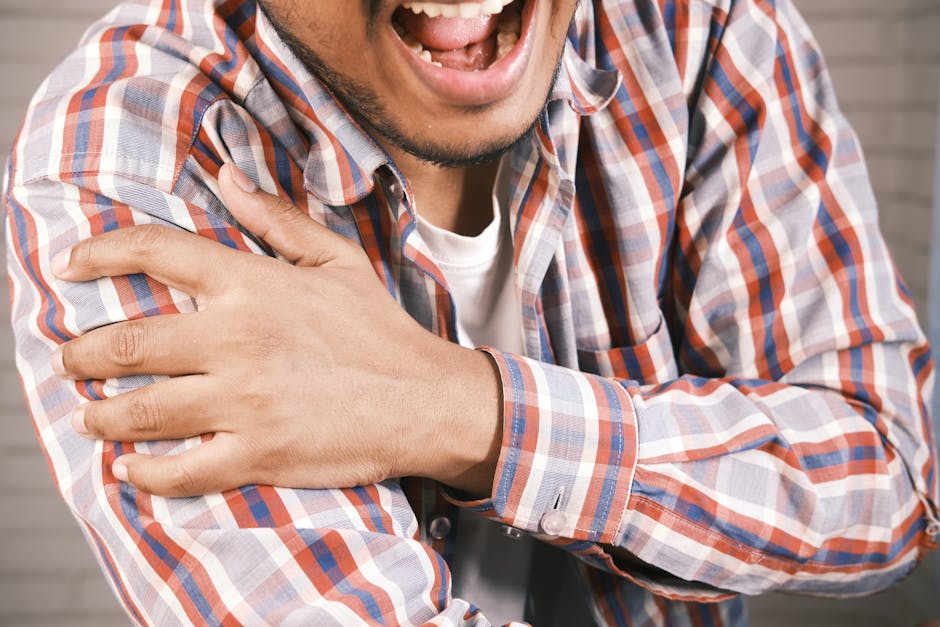
Rotator Cuff Irritation: Night Pain & Behind-the-Back Reach Limits
The rotator cuff is a group of muscles and tendons stabilizing the shoulder—essential for those quick overhead shots and vigorous backhand swings. Irritation here often shows up as:
- Pain at night, disturbing sleep
- Difficulty reaching behind your back
- Weakness when lifting or rotating the arm
This kind of pain is usually tied to repetitive overhead motions combined with decreased tendon flexibility, common in older players. It’s often aggravated by poor warm-ups or rushing into high-intensity drills without proper preparation.
Elbow Pain: Tight Grip and Arm-Dominant Mechanics
Elbow issues—often referred to as “tennis elbow” or lateral epicondylitis—are surprisingly common in pickleball players. Most players aren’t aware that a tight grip and over-reliance on arm strength during swings amplify strain on the elbow tendons.
Instead of letting the larger muscles of your shoulder and core do the heavy lifting, many players shoulder pain at night default to “wristy” or “army” swings. This imbalance increases elbow tendon wear and tear.
Training to Protect Against Explosive Lateral Movement Injuries
Now, let’s get into the good stuff. How do you specifically train for those quick side-to-side moves that define pickleball?
1. Build Single Leg Stability
Lateral movement demands strong, stable hips and ankles. Having good single leg stability ensures that each explosive push-off or sudden stop doesn’t stress your joints unduly. Here’s a simple routine to try:
- Stand on one leg for 30 seconds, keeping hips level and core engaged.
- Progress by closing your eyes or standing on a cushioned surface to challenge balance.
- Incorporate single-leg squats or step-ups to strengthen supporting muscles.
A physical therapist once told me, “If your single-leg balance wobbles, your lateral movement pays the price.” I keep a light resistance band in my paddle bag to add lateral band walks for hip activation—simple, portable, and effective.
2. Balance Training: The Often-Skipped Must-Do
Without good balance, the explosive lateral shifts become risky lunges. Overlooking balance drills is one of my biggest pet peeves at the court. Here are some balance exercises you can do best sleeping position shoulder pain anywhere:
- Heel-to-toe walking along a straight line
- Standing on a wobble board or balance pad for 1-2 minutes
- Incorporating dynamic movements, like side lunges or controlled hops
Balance isn’t just about wobble prevention—it trains your nervous system to control muscles precisely during fast movements, which cuts injury risk.
3. Gradual Intensity Build: Patience Pays Off
Never underestimate the power of slowly ramping up workout frequency and intensity. Here’s a typical weekly plan for someone returning to pickleball or increasing sessions:
Week Practice Sessions Intensity Level Duration per Session 1-2 2 Low to Moderate 45 minutes 3-4 3 Moderate 60 minutes 5+ 4+ Moderate to High 75 minutes
Throwing yourself into long, intense sessions or skipping the first 8 minutes of warm-up can land you in injury town faster than you thought possible. Remember, I always count warm-up minutes out loud for our group—“One, two, three…”—because it matters.
Recover Smarter: CBD Gummies for Inflammation & Pain Relief
After those intense sessions, managing inflammation and small aches can make all the difference in your game-day recovery. Many players I’ve met swear by natural remedies, and one product coming up often is Joy Organics organic CBD gummies. These gummies offer a convenient, non-intoxicating way to support recovery, ease muscle soreness, and promote restful sleep.
While they’re no substitute for proper training and good form, adding Joy Organics products thoughtfully as part of your recovery toolkit can complement your on-court efforts.
Key Takeaways for Injury-Resistant Pickleball Play
- Avoid blaming your paddle or “bad move” for tendon issues—overuse and lack of preparation are usually the true culprits.
- Focus on single leg stability and balance training to prepare your body for lateral loads.
- Gradually increase practice intensity and frequency to let aging tendons adapt well.
- Pay attention to warning signs like night pain or limited arm reach and address them early.
- Use natural recovery aids like Joy Organics organic CBD gummies to support inflammation management.
- Never skip warm-up—those first 8 minutes set your body up for success.
Pickleball should be about fun, camaraderie, and friendly competition—not injury battles. With the right training, pacing, and recovery habits, you’ll keep your game sharp and pain-free for years to come. See you on the court!